

| Active Area | 1 - 300cm² | |
| Streams | up to 4 | |
| Stack Size | up to 20 cells | |
| Temperature | up to 200C | |
| Chemical compatibility | pH 0–14; configurations for organic solvents | |
| Pressure | up to 3bar |
Specifications refer to the flex-X-cell
platform, device-specific limits depend on selected components and materials.
Extended
ranges are available on request. Chemical compatibility depends on the selected wetted materials and operating conditions.
Find out how to customize flex-X-cell to your experimental needs below

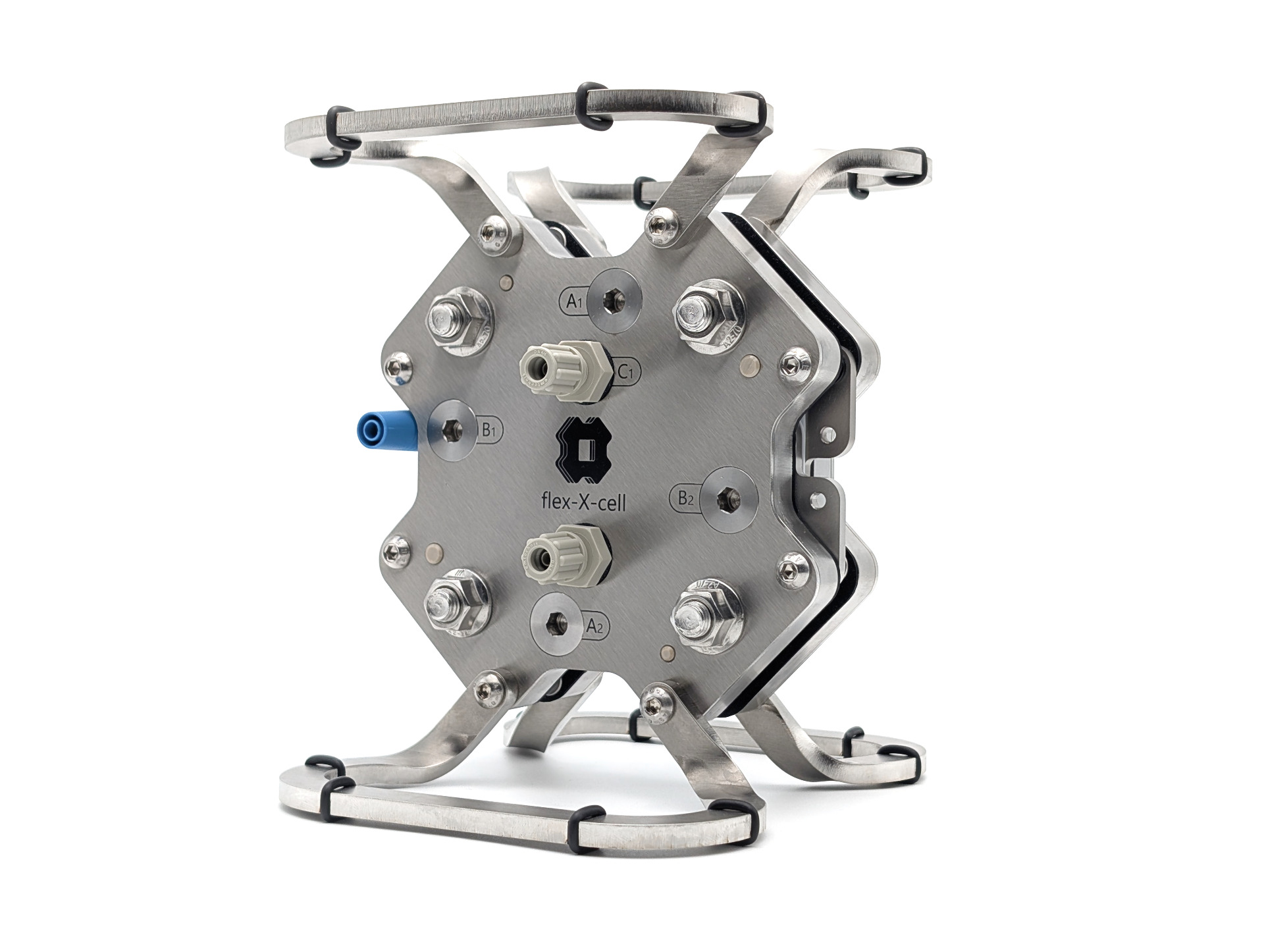
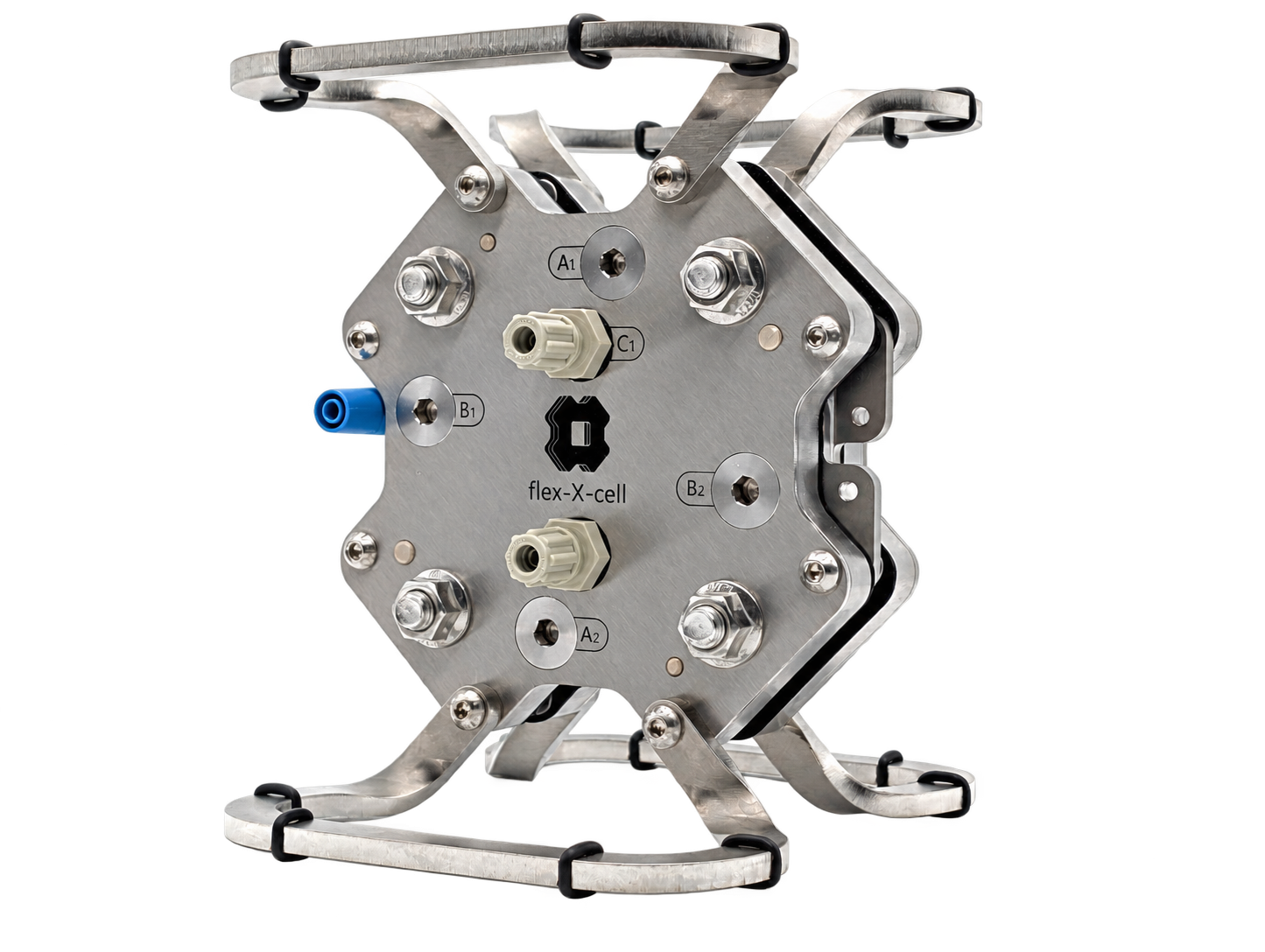
flex-X-cell is based on a modular framework of carefully engineered standard components: Flow fields (e.g. stainless steel, titanium, nickel, graphite) and flow frames (e.g., PP, PTFE) provide well-defined conditions that match your chemistry and operating window.
The flex-X-cell platform supports a wide range of electrochemical applications, cell architectures and electrode types. Choose from proven standard configurations (e.g., PEM electrolysis, alkaline electrolysis, CO₂ reduction, electrodialysis, …) or request an application-specific setup.
Extend the library of standard components with customized solutions - e.g., alternative electrode sizes, flow-field geometries (parallel, serpentine, interdigitated), additional materials, or functional coatings (e.g., Pt, Ir‑MMO). Contact us for further information.
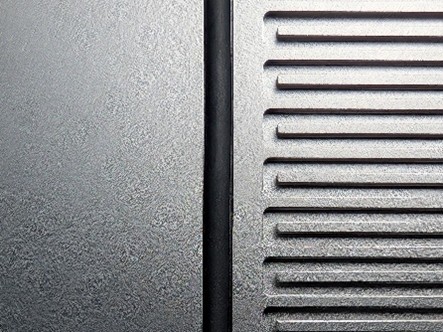
flex-X-cell is available with a window enabeling insights to your process, e.g. monitoring of bubble evolution, visualization of flow distribution.
Component and material options match your requirements for reliable operation — up to 200 °C, pH 0–14, and up to 3 bar*. All-fluoropolymer (PTFE, PFA, FEP) wetted flow-path configurations are available for harsh media**. Durable, corrosion-resistant materials support long service life.
O-rings in our flow fields and multi-material flow frames provide line contact instead of large-area gasket compression, concentrating sealing force where it matters. This supports leak-tight operation — verified for every cell with quantitative leak-rate testing (default: up to 5 bar internal pressure test)*.
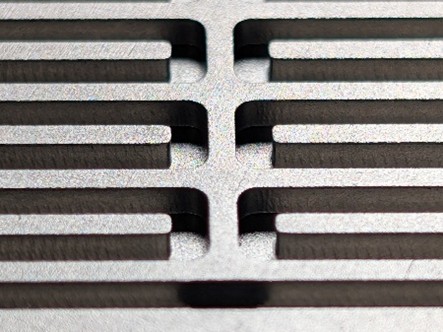
Tight-tolerance components and thick stainless-steel base plates support defined compression and even pressure distribution. Optimized flow distribution and channel geometries support uniform reaction conditions across the active area.
* Specifications refer to the flex-X-cell
platform, device-specific limits depend on selected components and materials. Extended
ranges are available on request.
** Chemical compatibility depends on the selected wetted materials and operating conditions.
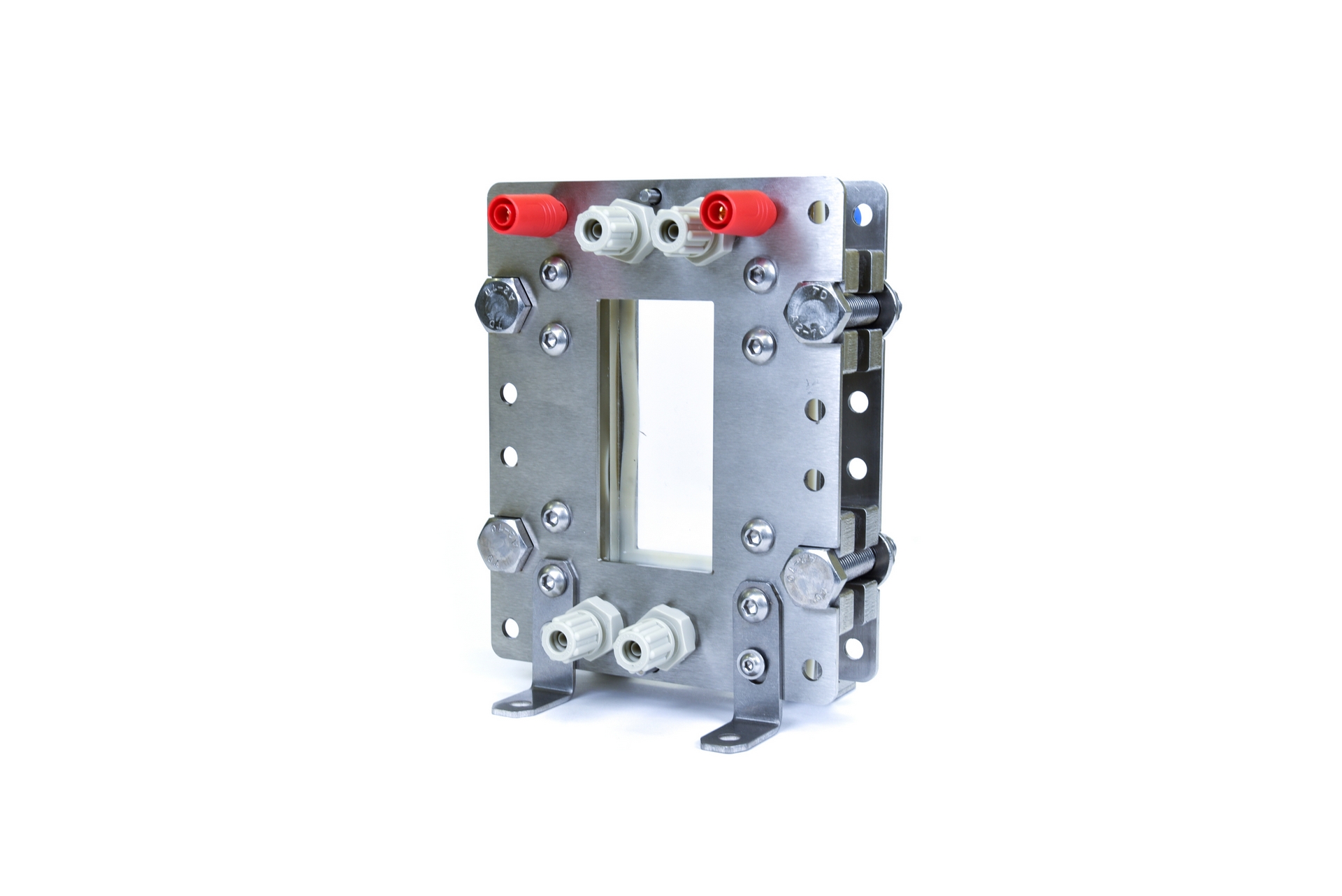
The cell opens at a defined position, giving quick access to the electrode or membrane. Components and connectors stay in place during assembly, reducing sources of error and speeding up assembly time.
We support active areas from small-scale laboratory experiments (starting at 1 cm²) to pilot-scale applications (300 cm² and larger).
flex-X-cell is available in four standard sizes: 5 cm² (S), 25 cm² (M), 100 cm² (L) and 300 cm² (XL). Larger or smaller active areas are available on request.
Stacking several cells between two endplates is possible by design. Therfore, flex-X-cell supports all experimental scales: from small scale catalyst research up to large scale production.
The previous design remains supported with full availability of cells, components and replacement parts.
inquireThe flex-X-cell is already used in a growing number of research projects and has contributed to results published in peer-reviewed scientific papers.
Getting the Most of Your Catalyst: How Process Parameters and Pulse Procedures Affect the Performance of eCO2R
ChemElectroChem, 2026
Tunable Anodes: A Dynamic Solution for Fluctuating Green Electricity
Advanced Chemical Engineering, 2026
Effect
of natural gas impurities on electrochemical hydrogen compression and
strategies for mitigation
International Journal of Hydrogen Energy, 2025
Electro-Conductive
Ti3C2 MXene Multilayered Membranes: Dye Removal and Antifouling Performance
Advanced Functional Materials, 2024
Improving
Gas Diffusion Electrodes for Electrochemical CO2 Reduction: Influence of the
Ionomer
ECS Meeting Abstracts, 2023
Additive
Manufacturing of Intertwined Electrode Pairs - Guided Mass Transport with
Gyroids
Advanced Engineering Materials, 2022
Publications include flex-X-cells of old and new design. The publications and external links are provided solely for informational and reference purposes.
Find more Publications Here